
Bain Lab
Location and Contact Information
Principal Investigator

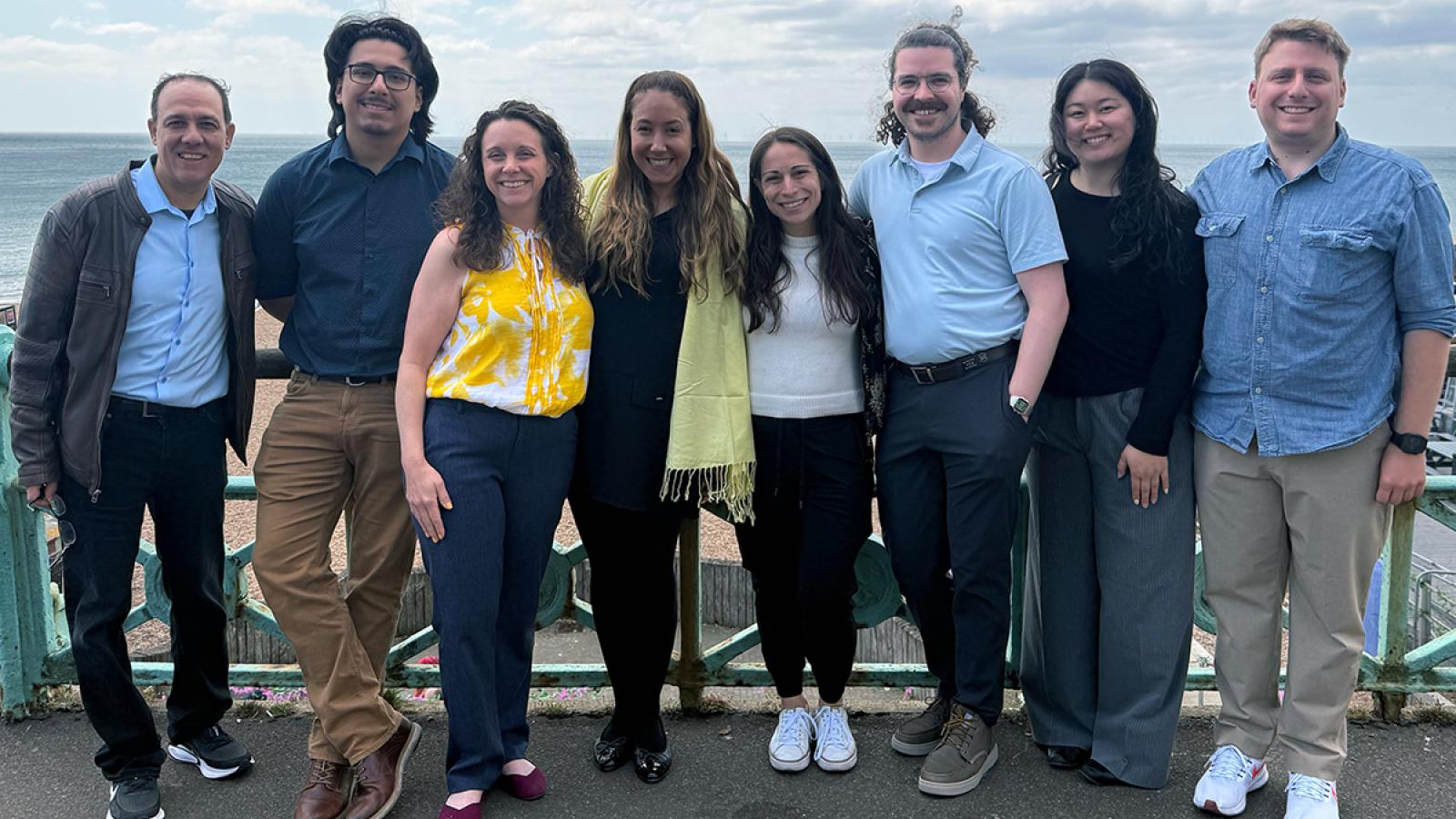
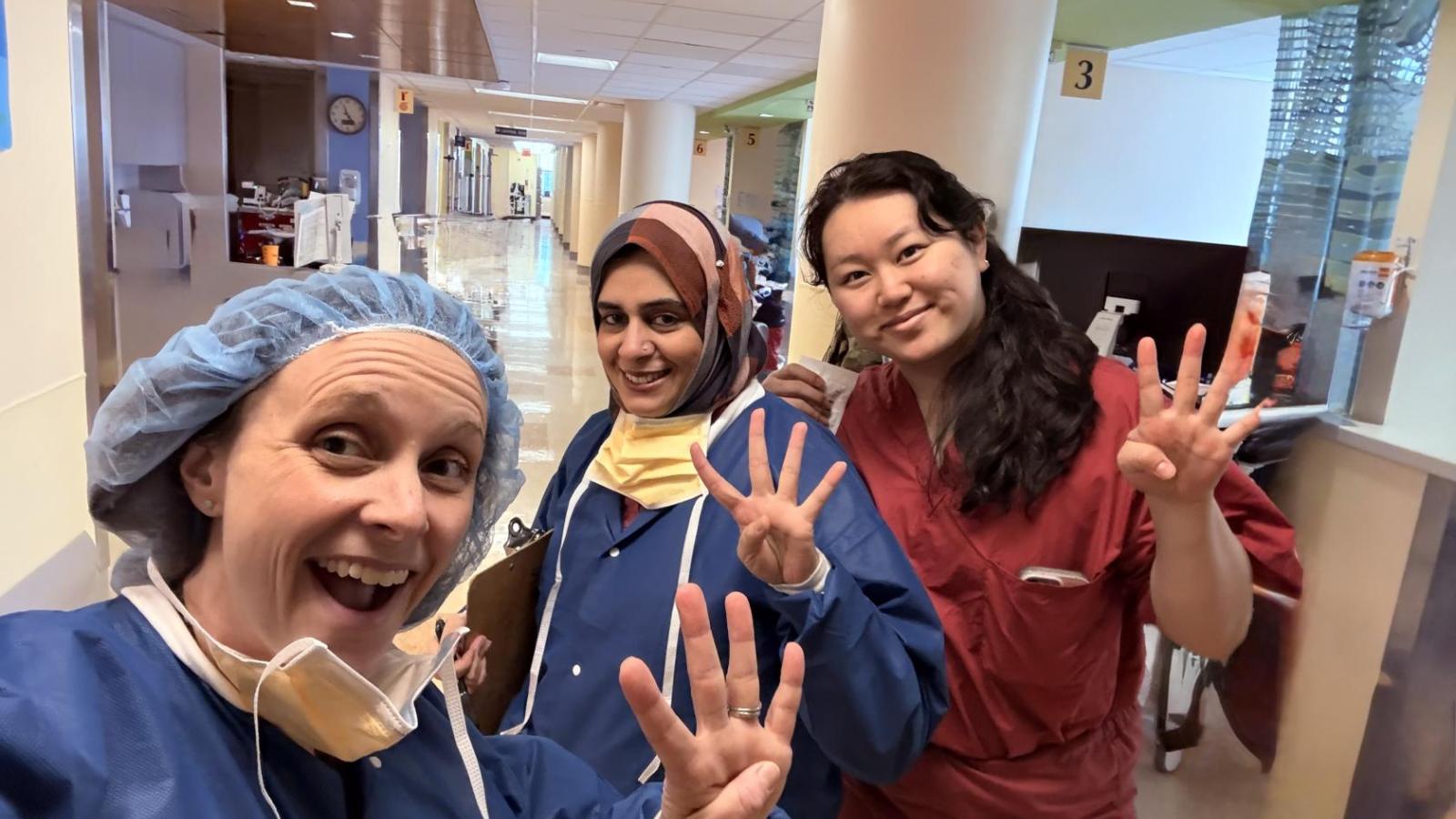

The Bain Lab, led by Jennifer Bain, MD, PhD, studies how rare genetic variations influence brain development and neurodevelopmental outcomes. Our research focuses on conditions associated with variants in genes involved in early brain development. Through an integrated approach that combines clinical research, genetics, and longitudinal study of affected individuals, our goal is to better understand disease mechanisms and improve diagnosis, care, and therapeutic development.
In addition to foundational research, the Bain Brain Lab conducts clinical trials designed to advance treatments for rare neurodevelopmental conditions. Our team participates in industry-sponsored clinical trials as well as investigator-initiated studies developed within our lab, allowing us to translate discoveries from research directly into potential therapies.
While the Bain Lab investigates the broader genetic mechanisms underlying human brain development, our primary research focus is HNRNPH2-related neurodevelopmental disorder (H2-RNDD; OMIM #300986). In 2016, Jennifer Bain first described six females with this disorder, and since that time, the lab has established an international patient registry and natural history study to better understand the clinical features, developmental trajectory, and impact of H2-RNDD on individuals and families.
Through close collaboration with the patient advocacy organization Yellow Brick Road Project, the Bain Lab has evaluated more than 100 individuals affected by H2-RNDD. The lab has developed a broad network of multidisciplinary collaborations focused on characterizing the clinical presentation of the disorder, defining disease progression, and creating a biospecimen resource to support translational research.
In 2021, a larger case series expanded the understanding of H2-RNDD by describing 33 individuals with the disorder, and our international registry has since grown to include more than 140 individuals with a confirmed diagnosis. In 2022, we synthesized the existing knowledge of H2-RNDD through a GeneReviews publication, providing a comprehensive resource for clinicians and families. In 2024, the Bain Lab launched the first precision therapeutics clinical trial for H2-RNDD, administering an antisense oligonucleotide (ASO) therapy to eight individuals ranging in age from 9 to 45 years in collaboration with the n-Lorem Foundation.
Together, these efforts aim to advance understanding of H2-RNDD, accelerate therapeutic development, and improve outcomes for individuals and families affected by this rare genetic disorder.
Clinical Trials
Phase 3 Efficacy and Safety Study of GTX-102 in Pediatric Subjects With Angelman Syndrome (AS) (Aspire)
Brief summary:
The primary objective of this study is to evaluate the effect of GTX-102 in cognitive function in participants with deletion-type Angelman Syndrome (AS).
For more information, please visit ClinicalTrials.gov ID NCT06617429
Expanded Access/Compassionate Use of Rugonersen in Patients With Angelman Syndrome
Brief summary:
For a patient to be considered for this EAP, they must have consented to participate in the TANGELO Optional Open-label Extension (OOE), and continue to meet the inclusion/ exclusion criteria and have not received any other investigational drug for the treatment of AS between the last dose of the TANGELO OOE and the first dose in the EAP.
The Physician making the request for expanded access considers continued treatment via the EAP with rugonersen to be a suitable treatment option for the patient under consideration.
For more information, please visit ClinicalTrials.gov ID NCT07136454
Beeline: A Phase 3 Study in GRIN-related Neurodevelopmental Disorder
Brief summary:
The Phase 3 portion of Study RAD-GRIN-101 is a multinational, multicenter, randomized, double-blind, placebo-controlled trial followed by an open-label extension to evaluate the efficacy and safety of radiprodil in participants with GRIN-related neurodevelopmental disorder (GRIN-NDD) with a gain-of-function (GoF) genetic variant.
This study will enroll two cohorts: one cohort of participants with a minimal number of countable motor seizures (with or without behavioral symptoms) (Phase 3 Cohort 1: Qualifying Seizures Cohort); and a second cohort with disease symptoms but no seizures or fewer seizures than required for the Qualifying Seizures Cohort (Phase 3 Cohort 2: Without Qualifying Seizures Auxiliary Cohort).
Participants in each cohort will be randomized 1:1 to receive active drug (radiprodil) or matching placebo (Part A). Following completion of Part A, all eligible participants (including those previously on placebo) may continue into the open-label extension period (Part B) to receive radiprodil.
The placebo-controlled portion is expected to be approximately 16 weeks for participants in Phase 3 Cohort 1 and 28 weeks for participants in Phase 3 Cohort 2.
The study will evaluate the effect of radiprodil on seizures and non-seizure symptoms and assess safety.
For more information, please visit ClinicalTrials.gov ID NCT07224581
REVEAL: A Phase 3 Study of ION582 in Angelman Syndrome
Brief summary:
The purpose of this study is to evaluate the efficacy and safety of ION582 in children and adults with Angelman syndrome caused by a deletion or mutation of the UBE3A gene.
For more information, please visit ClinicalTrials.gov ID NCT06914609
Donations
To make a donation, please contact:
Matthew Reals
Senior Director of Development
646-761-0915
mr3134@cumc.columbia.edu
Donation by Check
Please make payable to Trustees of Columbia University, indicate Dr. Bain's research on the memo line, and mail to:
Columbia University Irving Medical Center
Office of Development
Attn: Matthew Reals
516 West 168th Street, 3rd Floor
New York, NY 10032
Online Donation
To make your donation by credit card, please follow this link.
Publications
For a complete list of publications, please visit PubMed.gov
Lab Members
Aisha Awais
- Clinical Research Coordinator

Emilio Batres
- Clinical Research Coordinator

Joanna Feng
- Clinical Research Coordinator

Jaimie Gowatsky
- Clinical Research Coordinator


Lab Collaborators
Sylvie Goldman, PhD
- Associate Professor of Neuropsychology (in Neurology and the Gertrude H. Sergievsky Center) at the Columbia University Medical Center

Maureen Mulhern, MS, CGC
- Assistant Professor of Genetic Counseling (in Neurology and Pathology and Cell Biology) at CUMC

Nicolò Pini, PhD
- Associate Research Scientist in the Department of Psychiatry

Frank A. Provenzano, PhD
- Assistant Professor of Neurological Sciences (in Neurology and in the Taub Institute for Research on Alzheimer's Disease and the Aging Brain)

Fen Youmans
- Physical Therapist


Select Publications
Stanley T. Crooke, Sarah Glass, Joseph G. Gleeson, Laurence Mignon, Konstantina Skourti-Stathaki, Julie Douville, Megan Knutsen, He Pu, Jennifer M. Bain, Elizabeth Berry-Kravis, Neil A. Shneider, Olivia Kim-McManus, Florian S. Eichler, Wendy K. Chung, Amanda Nagy, Horacio Kaufmann, Alejandra Gonzalez-Duarte, Björn Oskarsson, Emily A. McCourt, Nelson Leung. Addressing the needs of nano-rare patients: the n-Lorem experience. Nucleic Acids Res. 2026 May 20;54(10):gkag504. doi: 10.1093/nar/gkag504.
Kerner-Rossi M, Gomes W, Sands T, Bain JM, Kim F. Early Detection of Cerebral Palsy Using Standardized Screening Assessments in Neonatal Hypoxic Ischemic Encephalopathy: A Pilot Case Series. J Child Neurol. 2026 Feb 13;:8830738251413829. doi: 10.1177/08830738251413829. [Epub ahead of print] PubMed PMID: 41686699.
Sara Daniella Kevelson, Elmaghraby R, Patel F, Brown H, Gorenstein M, Bain J, Grinspan ZM, Pedapati E, Veenstra-VanderWeele J, Vandana P. Novel therapeutics in autism spectrum disorder. Neurotherapeutics. 2026 Jan;23(1):e00857. doi: 10.1016/j.neurot.2026.e00857. Epub 2026 Feb 25. Review. PubMed PMID: 41748402; PubMed Central PMCID: PMC12976513.
Cain-Trivette CJ, Gennell T, Nemeh C, Chaves DV, O'Donnell TFX, Bain J, Zuckerman W, Cheung E, Middlesworth W. Pediatric Neck Vessel Repair Following Extracorporeal Membrane Oxygenation Decannulation: Assessing Stroke Risk, Long-Term Neurologic Outcomes, and Vessel Patency. ASAIO J. 2025 Oct 15;. doi: 10.1097/MAT.0000000000002579. [Epub ahead of print] PubMed PMID: 41088517.
Ryan CW, Regan SL, Sheingold JB, Goswami A, Mulhern M, Ploeger J, Huang S, Hartill V, Rippert A, Bhoj E, Chung WK, Bain J, Srivastava KR, Bielas SL. RNF2 Missense Variants Disrupt Polycomb Repression and Enable Ectopic Mesenchymal Lineage Conversion During Human Neural Differentiation. Res Sq. 2025 Aug 11;. doi: 10.21203/rs.3.rs-7143352/v1. PubMed PMID: 40831499; PubMed Central PMCID: PMC12363927.
Hipp JF, Bacino CA, Bird LM, Bruenig-Traebert I, Chan D, de Wit MC, Fontoura P, Hooper G, Jagasia R, Krishnan ML, Murtagh L, Noci A, Martínez AR, Schwab D, Serrano M, Shen MD, Tillmann J, Tjeertes J, Vincenzi B, Berry-Kravis E, Bonni A, Rugonersen Study Group, all TANGELO investigators. The UBE3A-ATS antisense oligonucleotide rugonersen in children with Angelman syndrome: a phase 1 trial. Nat Med. 2025 Sep;31(9):2936-2945. doi: 10.1038/s41591-025-03784-7. Epub 2025 Jul 11. PubMed PMID: 40646322.
Lewis SA, Chopra M, Cohen JS, Bain JM, Aravamuthan B, Carmel JB, Fahey MC, Segel R, Wintle RF, Zech M, May H, Haque N, Fehlings D, Srivastava S, Kruer MC. Clinical Actionability of Genetic Findings in Cerebral Palsy: A Systematic Review and Meta-Analysis. JAMA Pediatr. 2025 Feb 1;179(2):137-44. doi: 10.1001/jamapediatrics.2024.5059. PubMed PMID: 39621323; PubMed Central PMCID: PMC11612911.
Shafiq T, Feng J, Phillips L, Murias K, Ferguson M, Baranao K, Acchione A, Kipkemoi P, Kipkoech C, Chepkemoi E, Abubakar A, Newton C, van der Merwe C, O"Heir E, Galvin A, Garcia A, D"Souza A, Stefanich J, Shillington A, Tuttle A, Torti E, Zhu E, Morsink M, Lebayle E, Corneo B, Ricupero C, Au P, Kline A, Balasubramnian M, Bain JM, Gillentine MA. An expansion of the phenotype in individuals with SYNCRIP-Related Neurodevelopmental Disorder. Rare. 2024 December; 2.
Expanding the Phenotypic Spectrum of HNRNPU‐Related Disorder, Documenting the First Familial Presentation and Comprehensive Review American Journal of Medical Genetics Part A 2025-06 | Journal article DOI: 10.1002/ajmg.a.64013 CONTRIBUTORS: A. K. O. Hodgson; L. Baxandall; D. Aiyedun; A. Li; P. Y. B. Au; J. M. Bain; M. A. Gillentine; H. Goel; A. D. Kline; C. L. Ricupero et al.
Clinical characteristics, longitudinal adaptive functioning, and association with electroencephalogram activity in PPP2R5D‐related neurodevelopmental disorder Clinical Genetics 2025-01 | Journal article DOI: 10.1111/cge.14612 CONTRIBUTORS: Khemika K. Sudnawa; Nicolò Pini; Wenxing Li; Cara H. Kanner; Joseph Ryu; Sean Calamia; Jennifer M. Bain; Sylvie Goldman; Jacqueline Montes; Yufeng Shen et al.