
The Alzheimer’s Disease And PET (ADAPT) Imaging Lab
ADAPT Lab
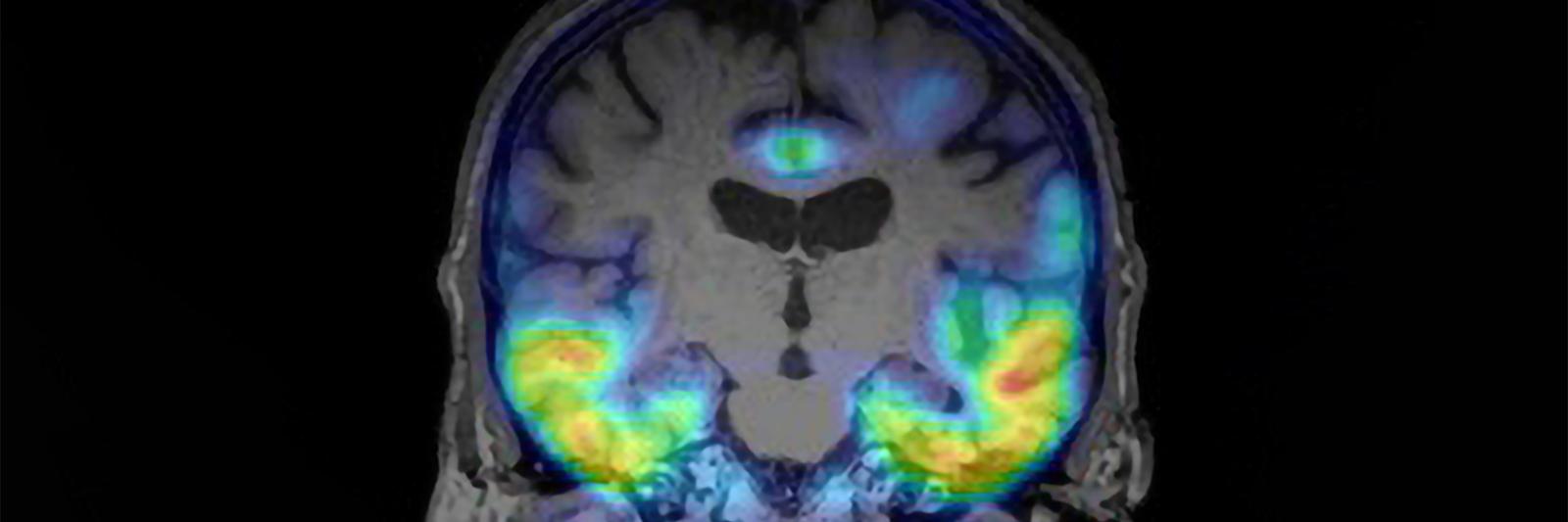
The Alzheimer’s Disease and PET (ADAPT) Imaging Lab uses multimodal neuroimaging to simultaneously investigate amyloid-β plaque and hyperphosphorylated tau tangle pathology, neuroinflammation, cerebrovascular disease, and neurodegeneration to provide critical insight into Alzheimer’s disease pathogenesis. We study these disease processes in adults with Down syndrome, community-dwelling adults in Northern Manhattan, and cognitively impaired adults enrolled in the Columbia Alzheimer’s Disease Research Center (ADRC). By understanding common pathways across groups with varying genetic and environmental risk and clinical phenotypes, we can inform generalizable therapeutic approaches, and by understanding unique pathways to specific groups, we can also inform personalized medicine approaches.
Our actively recruiting studies are the ADRC P30-PET and CLARiTI (The ADRC Consortium for Clarity in ADRD Research Through Imaging). Other projects include ADVISe and ABC-DS, as well as collaborations with researchers across Columbia on PET imaging and analysis, such as NOMEM.
Along with our larger projects, lab members explore individual research interests spanning loneliness and brain health, regional amyloid and tau patterns, sex-related differences, neuroinflammation, and glial biomarkers.
About PET Scans
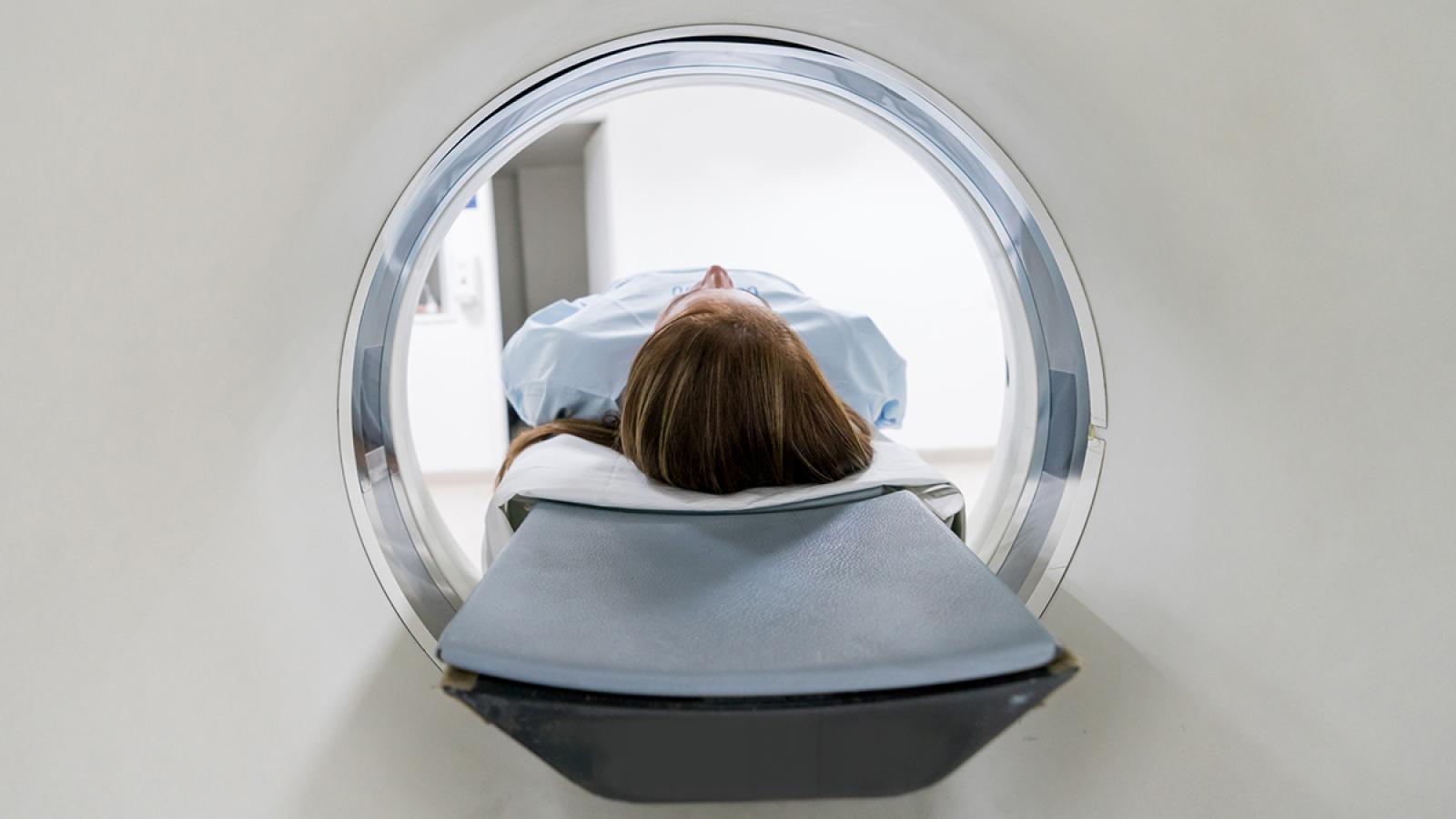
A positron emission tomography (PET) scan is an imaging test that can provide valuable information about your brain and other organs.
